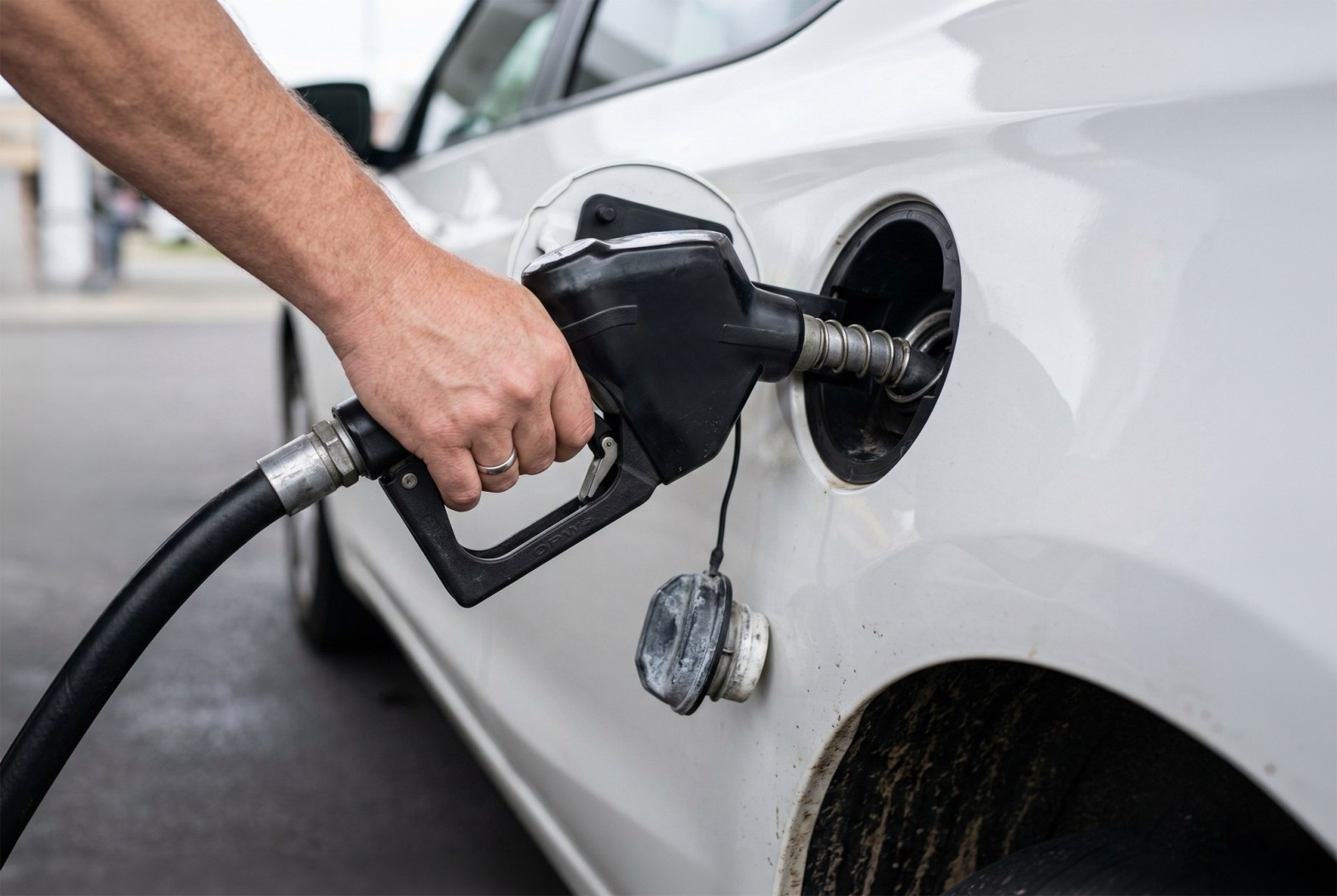
A recent report by the U.S. Bureau of Labor Statistics noted that prices increased 0.6 percent in the month of April, mainly due to oil supply disruptions from the War in Iran. At that pace, prices are expected to increase by about 3.8 percent annually.
The growing concern isn’t just how high prices (especially gas prices) can go if the supply disruptions continue, but the extent to which inflation is accelerating because it erodes purchasing power. If prices continue to increase at the rate they are, consumers will look to cut back on their spending. Most importantly, if consumers expect inflation to continue to rise, this may have dire long-term economic consequences.
What is puzzling at this moment is that consumer sentiment is at an all time low, yet retail spending is up – not just in April but the last three months. In fact, retail sales rose nearly 0.3 percent when adjusted for the extra spending on gas prices. This may not seem like a lot, but indicates consumers are still spending money even in this high inflationary environment.
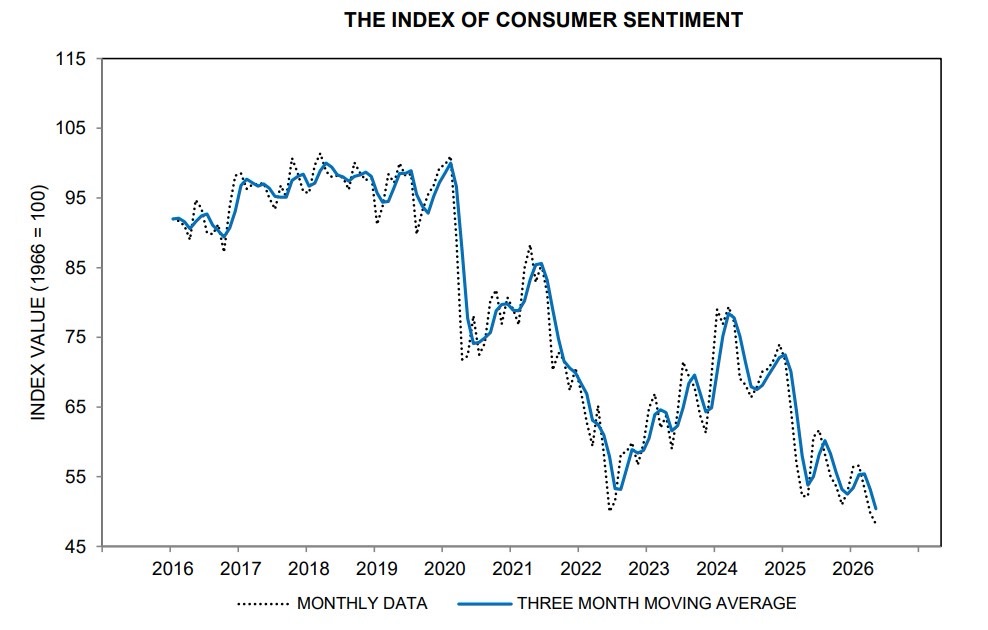
So why is spending up when consumer sentiment is down? One explanation might be taking a look at how consumers are spending their money. As inflation continues to erode purchasing power, consumers may be more likely to leverage debt, especially credit cards, as a means to get by.
While total credit card debt owed actually fell from Q4 of last year, it still remains at an all-time high. Moreover, there have been growing concerns of a “K-shaped” economy, where wealthier consumers are able to bear the burden of higher prices due to higher discretionary income than their counterparts. As recently reported, more than half of Americans are using credit cards to cover essential living expenses with 64% of those surveyed noting that it’s because there is not enough income to cover spending.
If this trend continues, consumer sentiment will continue to decline from the need to leverage debt to cover high prices, especially on essentials like gasoline. Inflation, if left unchecked, will continue to eat up more of consumer’s purchasing power and eventually lead to more macromeconic concerns, such as economic mobility, growth and general wellbeing.
Discover more from Prairie State Policy
Subscribe to get the latest posts sent to your email.

